









Wine as a Miracle Medicine?The Health Benefits of Resveratrol
But every so often, scientists discover a substance that truly holds great promise for improving human health, and resveratrol is undeniably one of those. Many such items come in less-than-appealing forms, like algae and fungus, so no small part of resveratrol's appeal derives from one of the places it can be found in large quantities: bottles of red wine. (The substance exists in the skin of both red and white grapes, but red wines have much higher concentrations, as the juice remains in contact with the skins during fermentation, while the skins are separated from the juice during the production of white wines.) First isolated in 1974 from Cassia quinquangulata, a Peruvian legume, resveratrol has been touted for its potential to fight cancer, viruses, inflammation and more. Along with curcumin, EGCG and other bioactive plant compounds under the microscopes of scientists around the world, resveratrol falls under the label "nutraceutical." Resveratrol shows potential to help ward off Huntington's and Alzheimer's diseases, and fight cancer by killing cancerous cells and interfering in carcinogenesis, the process by which harmless cell division goes awry and creates tumors. Life extension represents another area where resveratrol may prove effective as the life spans of the fish Nothobranchius furzeri, the fruit fly Drosophila melanogaster and the worm Caenorhabditis elegans have all been stretched significantly when resveratrol was added to their diets. It seemingly mimicked the effects of an ultra-low-calorie diet, which has been shown to prolong the lifespan of many animals and, some scientists believe, will do the same for humans. Grapes aren't the only source of this potential miracle worker. Peanuts, raspberries, mulberries, blueberries and cranberries also contain resveratrol, as does hu zhang, also known as Japanese knotweed. All research to date, however, has been in vitro or animal studies. And while several studies indicate that consumption of resveratrol, even in high doses, is safe for human consumption, scientific evidence isn't yet sufficiently solid to warrant dietary changes to add substantial amounts. But
with numerous new studies underway, that time may come soon.
Anyone who makes a habit of drinking red
wine in the meantime may find him-or-herself one step ahead
of the curve. And if the evidence never arrives? Well, hopefully
the wine was at least enjoyable. Related Content:
|
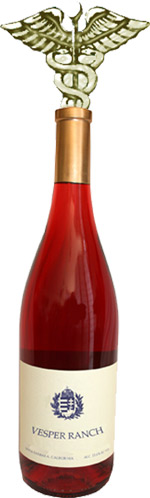 We
constantly wish for dietary magic bullets, foods that will make
us fitter, thinner, stronger and likely to live longer. Most
of the time, it's sheer folly; no different than trying to retrace
the steps of Ponce De León, the Spanish explorer who, as
the legend goes, sought the "fountain of youth."
We
constantly wish for dietary magic bullets, foods that will make
us fitter, thinner, stronger and likely to live longer. Most
of the time, it's sheer folly; no different than trying to retrace
the steps of Ponce De León, the Spanish explorer who, as
the legend goes, sought the "fountain of youth."
Sip on GAYOT's picks of the best small-production craft beers.
Sip straight or mix up a margarita with GAYOT's picks of the best tequilas under $100.
 Facebook
 (formerly Twitter)
 Instagram