Wine Accessories & Gifts for Wine Lovers
While most wine lovers can get by with a bottle of Cab and a corkscrew, these clever wine accessories and gift ideas are sure to add excitement to any aficionado’s arsenal.
From handy tools including a quick-pouring aerator to conversation starters like the bicycle wine rack, GAYOT’s list of the Best Wine Accessories come in a range of prices and can be enjoyed by connoisseurs and casual drinkers alike.
> Ckeck out of GAYOT’s Wine of the Week.
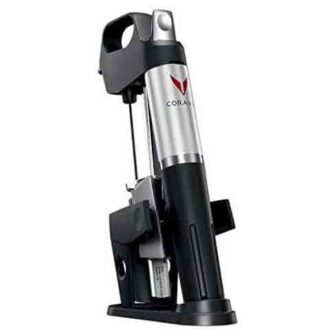
1. Coravin 1000 Wine System
Price: $450
Savor your finest bottles of wine with this complete system.
Do you have a friend who can’t finish a bottle of wine after opening it? Now the finest bottles can be savored. The technology behind the Coravin System allows you to pour a glass of wine while keeping the cork in the bottle. You insert a hollow needle into the cork to extract the wine; once the bottle is pressurized with argon, the wine flows through the needle and into your glass. When the needle is removed, the cork reseals itself and the bottle is as good as new!
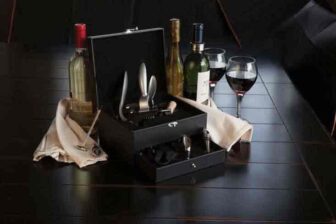
2. Picnic Time Deluxe Eight-Piece Wine Accessory Kit
Price: $46
An oenophile’s complete tool kit.
This chic starter set includes all the essentials for your wine accessory arsenal. A great wedding gift, the kit includes two bottle stoppers, a drip stopper, foil cutter, bottle thermometer, pourer with stopper and wine opener with additional screw. Housed in a handsome black leather case, the accessories can be easily transported to picnics, wine parties and family get-togethers.
3. Gump’s San Francisco Leather Wine Bottle Carriers
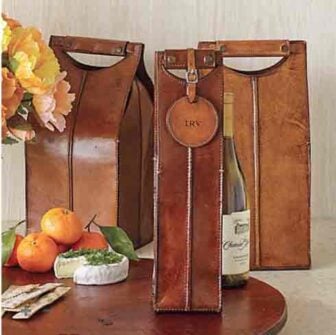
Price: Starting at $58
Buy Now!
Transport your wine in style with these bottle carriers that can be personalized with a monogrammed leather tag.
A San Francisco institution for more than 150 years, Gump‘s has garnered an international fan base thanks to its taste-making collection of luxury gifts, artisan crafts and design-forward home décor. This sturdy brown leather carrier offers an elegant synthesis of the company’s ethos — stylish yet functional, modern yet timeless. Hand-tailored and lined with canvas, the carrier is available with one, two or four bottle compartments, making it ideal for soirées of all sizes.
4. Sommelier Corkscrew
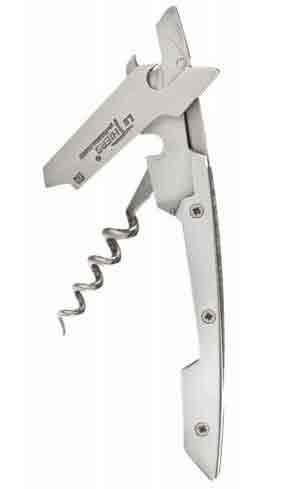
French sommelier Hervé Pennequin had the right idea when he came up with the Le Thiers Sommelier Corkscrew.
This wine tool is especially designed for ease — it allows you to open bottles with corks intact. This particular corkscrew is also widely used in restaurants because of its ability to keep long or dry corks vertical as they are removed. The design of the corkscrew is in accordance with the regulations of the Confrérie de Tiè knives, used in the village of Thiers, France since 1582, where this very corkscrew is also made. This makes it the only tool of its kind with an appellation. You can get it in a leather holster in blond horn, wood barrel and stainless steel. There are many corkscrews out there but this is the only one you’ll ever need. After five to 10 corks, wine enthusiasts will master bottle opening thanks to its linear leverage effect.
5. Metallic Wine Glass Pens
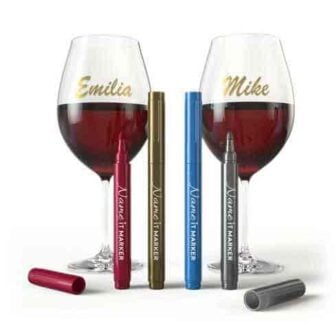
Price: $8
Say goodbye to wine glass musical chairs with Name It Marker’s Metallic Wine Glass Pens.
Available in a set of four metallic colors, these markers ensure all guests at your next dinner party won’t forget which glass belongs to them. Each pen contains food-grade ink that can be easily washed off with soap and water. Bonus: The markers work on any glass or ceramic surface, including coffee mugs and Christmas ornaments.
6. Oopsmark Bicycle Wine Rack
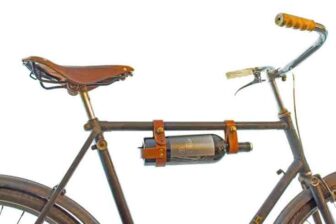
Price: $34
Who needs a bike basket when all you really need is this mobile wine rack?
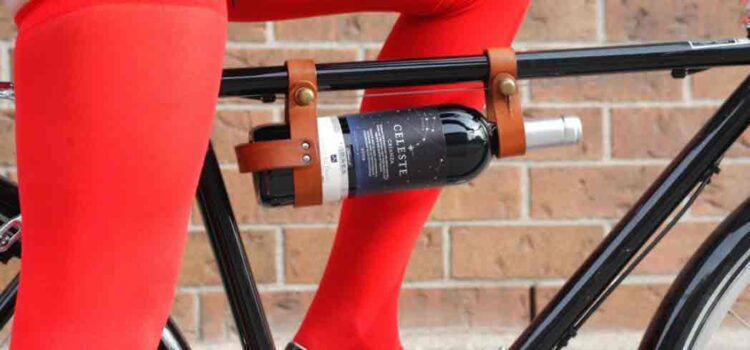
The Oopsmark Bicycle Wine Rack is the perfect gift for your wine-loving biker friend. Thanks to a brass fastener, the handmade leather rack attaches easily to most bike frames, while clamps securely hold a bottle of vino. Another plus: Like the taste of fine wine, the look of this leather bike rack only improves with age!
7. Schott Zwiesel Tritan Crystal Glass Stemware Forte Collection

Price: $60
Bottoms up: These expertly crafted wine glasses are an ideal gift for the oenophile in your life.
Crafted of Tritan crystal, this German stemware set has six glasses sized for Burgundy, light red and white wines — think Sauvignon Blanc, Pinot Gris, Rosé, Riesling, Soave and Chablis. Dishwasher-safe, this collection is the perfect gift for a holiday party host or hostess.
8. Picnic Time Wine and Cheese Picnic Basket
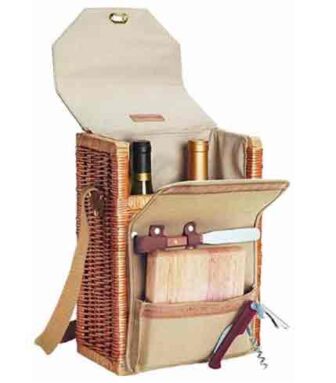
Price: $52
This classic picnic basket turns any outing into a portable wine party.
While its classic wicker construction may recall rustic picnics of yesteryear, this wine basket meets the demands of the modern connoisseur. Outfitted with a 6-inch hardwood cutting board, stainless steel corkscrew and cheese knife, it is roomy enough for two bottles and a few wedges from your favorite fromagerie. And unlike those flimsy models from the past, it has ThermoGuard high-density closed-cell foam insulation to keep your wine and cheese cool even on warm summer afternoons.
9. Animal Aerator

Price: $17

Giving new meaning to the term “party animal,” these aerators are a useful and unexpectedly fun gift for wine lovers.
Wild thing, we think we love you. These gold and silver wine aerators from Wine by Nine are available in the form of a deer, bull, dog, eagle, hog, horse or a rack of all six animal heads, each with a silicone rubber fitting to ensure your wine is properly aerated. Plus, the eye-catching animal heads are a great conversation piece for your next dinner party, holiday event or any other occasion.
-
A CHEF WITH A GREAT FUTURE | GAYOT.com
There is nothing ordinary at SoN’ Restaurant. Read the article.
-
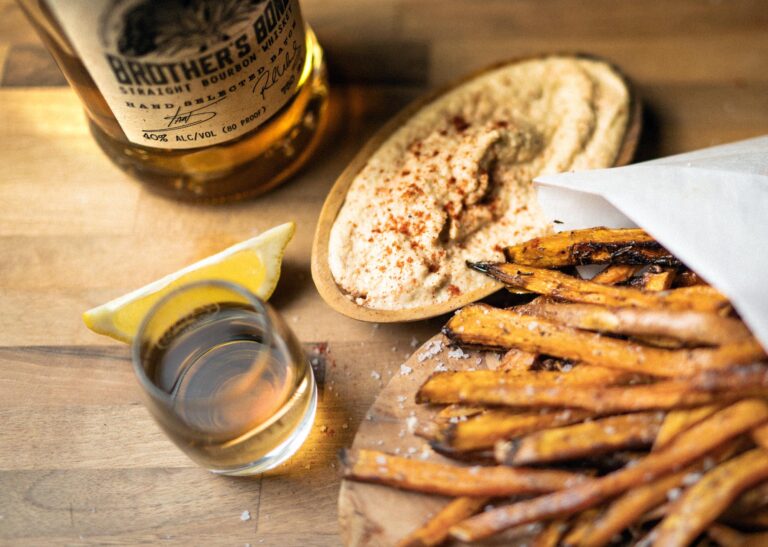
BOURBON IN YOUR AIOLI | GAYOT.com
This cashew aioli recipe gets a kick with bourbon. Check the recipe.
-

COOKIE WITH A TWIST | GAYOT.com
A one-of-a kind cookie recipe. Check the recipe.
-
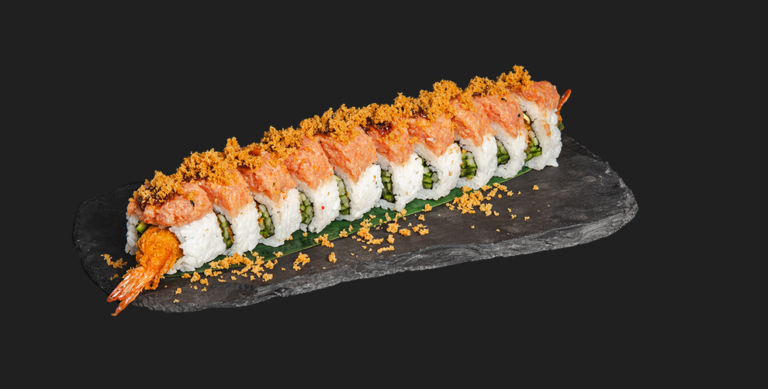
SUSHI AT HOME IN LOS ANGELES | GAYOT.com
Sushi feast with Kakkoi Sushi, a delivery only restaurant (for now). Read the article.